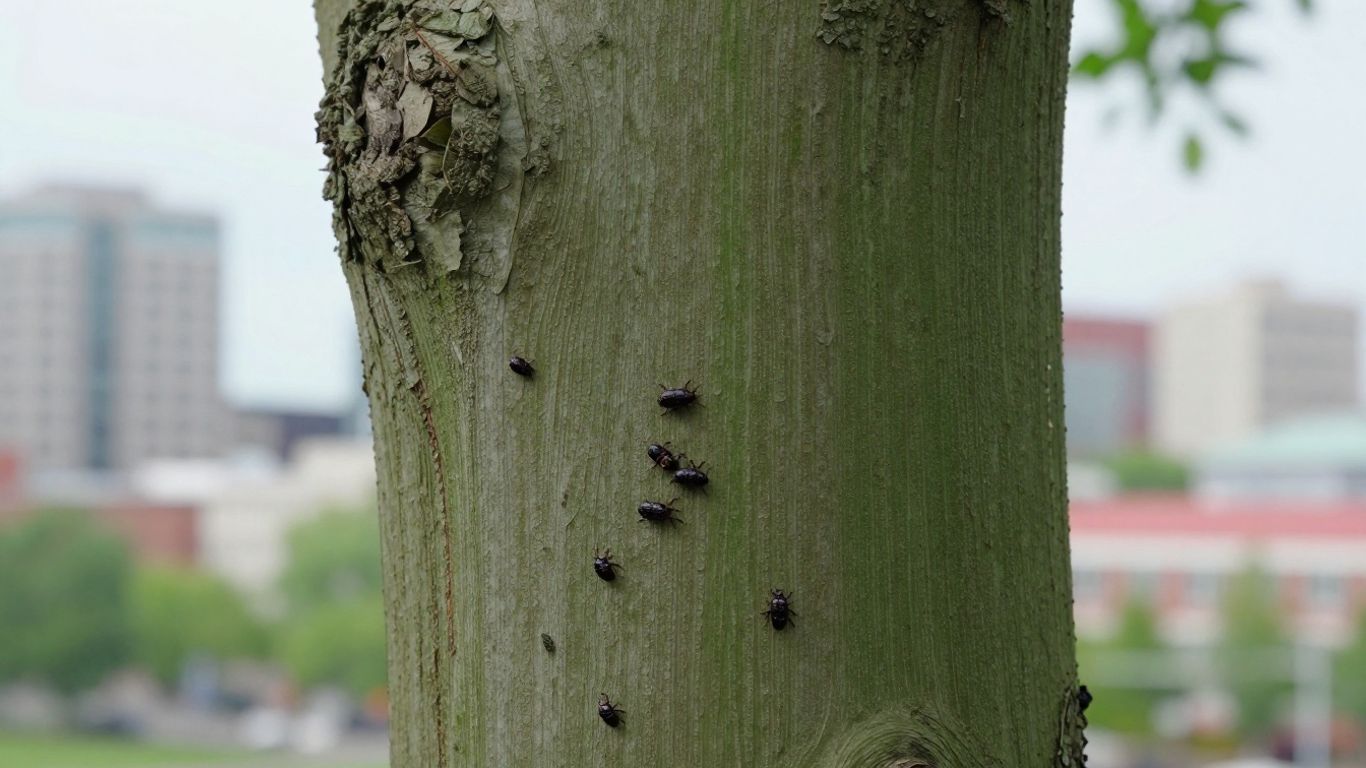
Fredericton’s ash trees are facing a serious threat from the Emerald Ash Borer (EAB). This invasive insect, first found here in 2021, has already caused widespread damage to ash trees across Canada. It’s a tough pest to get rid of, and it’s spreading. We’re seeing a big increase in its numbers, and it’s important for all of us to know what’s happening and how we can help protect our city’s trees.
What is the Emerald Ash Borer (EAB)?
The Emerald Ash Borer, or EAB for short, is a tiny beetle with a big appetite for ash trees. Originally from Asia, this invasive pest has made its way across North America, and unfortunately, it’s become a serious problem for our ash trees right here in Fredericton. Since it was first found in Canada back in 2002, EAB has wiped out millions of ash trees. It doesn’t mess around; it specifically targets ash trees, including the Black, White, and Green Ash species we have in New Brunswick.
The real damage isn’t done by the adult beetles, but by their larvae. Once the female beetles lay their eggs in the bark, the larvae hatch and burrow into the tree. They feed on the layers that transport water and nutrients, essentially starving the tree from the inside out. This feeding creates winding tunnels, often called larval galleries, just under the bark. When the larvae mature into adult beetles, they chew their way out, leaving behind a distinctive “D”-shaped hole. You’re much more likely to spot the signs of an infestation than the actual bug.
Some common signs of ash borer infestation to look out for include:
- Crown Dieback: The top of the tree starts to lose leaves, and branches die off.
- Epicormic Shoots: You might see new, small shoots or “suckers” growing from the base of the tree.
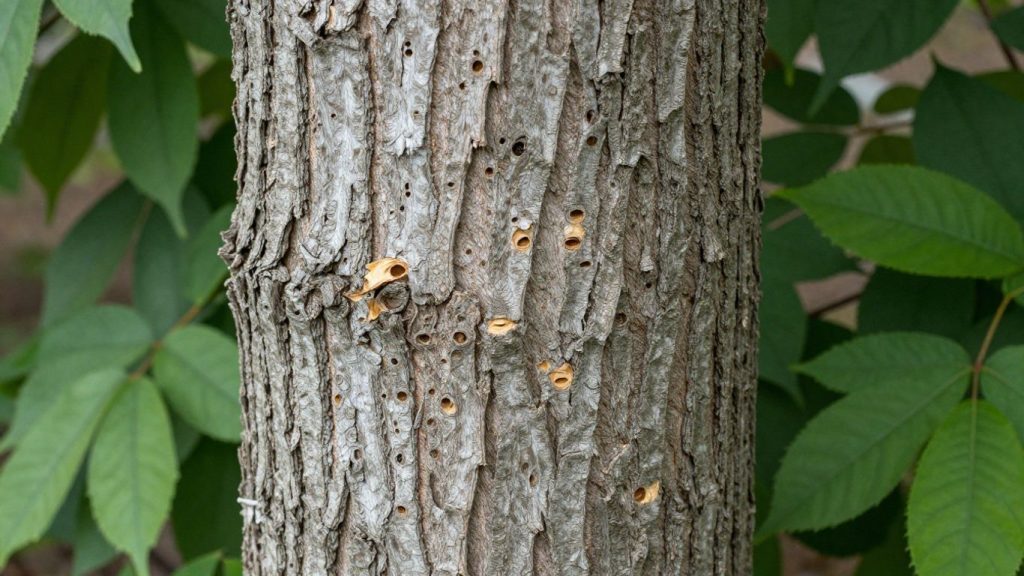
- Blonding: Woodpeckers love EAB larvae, and they’ll often strip bark off infested trees looking for a meal, leaving lighter, smoother patches on the trunk.
Identifying emerald ash borer damage can be tricky, but these symptoms are strong indicators. If you suspect your ash trees are affected, it’s important to report it to the city or the Canadian Food Inspection Agency. Early detection is key to managing the spread and protecting our urban forest. For more information on dealing with storm-damaged trees, you can check out resources on tree safety after storms.
Signs and Symptoms of EAB Infestation in Fredericton
Spotting the Emerald Ash Borer (EAB) isn’t always easy, especially since the adult beetles themselves are small and often hidden. You’re more likely to notice the damage they cause. The key is to look for a combination of these signs, particularly if you have ash trees on your property.
Identifying Infested Ash Trees
When EAB takes hold, it disrupts the tree’s ability to move water and nutrients. This internal damage leads to visible external symptoms. Keep an eye out for these indicators:
- Crown Dieback: This is often one of the first things people notice. The top and outer branches of the ash tree start to lose their leaves and die. If you see a significant portion of the canopy looking bare or withered, especially if it’s happening across multiple ash trees in your neighborhood, it’s a red flag.
- Epicormic Shoots (Suckers): As the tree struggles, it might try to compensate by growing new shoots, often from the base of the trunk or along major branches. These look like small, fast-growing sprouts that are out of place.
- Bark Splitting: The larvae tunnel under the bark, and over time, this can cause the bark to split vertically. You might see these cracks appearing on the trunk.
- Woodpecker Activity (Blonding): Woodpeckers love to eat EAB larvae. They’ll often strip away patches of bark looking for a meal, leaving behind smooth, lighter-colored areas on the trunk. This “blonding” is a strong sign that something is going on underneath the bark.
- “D”-Shaped Exit Holes: Once the adult beetles emerge from the tree, they leave behind small, distinct “D”-shaped holes in the bark, typically about 1/8 inch in diameter. These are definitive signs of EAB presence.
Common Symptoms to Look For
It’s helpful to know what to expect as an infestation progresses. The symptoms often appear in stages:
- Early Stages: You might first notice thinning in the upper canopy, with fewer leaves than usual. Small sprouts might start appearing on the trunk.
- Mid-Infestation: Dieback becomes more pronounced, affecting larger branches. You’ll likely see more woodpecker activity and possibly bark splitting. The “D”-shaped exit holes may become visible as beetles emerge.
- Advanced Infestation: Significant portions of the tree will be dead. The bark may be heavily damaged by woodpeckers, and the tree will look generally unhealthy and weak.
The Impact of EAB on Fredericton’s Urban Forest
The arrival of the Emerald Ash Borer (EAB) in Fredericton is more than just a nuisance for a few homeowners; it’s a serious threat to the entire city’s green infrastructure. Ash trees make up a significant portion of our urban canopy, about 12 percent, and losing them would drastically change the look and feel of our city. Think about it: more pavement exposed to the sun means hotter summers, and fewer trees mean less rainwater being absorbed, which can lead to increased runoff and flooding. It’s a domino effect that impacts everything from our local climate to the health of our waterways.
This beetle isn’t just a local problem; it’s been devastating ash populations across Canada for years. In places like Ontario, where EAB has been around longer, they’ve seen over 90 percent of their ash trees die off within a five-year span. We’re seeing a similar pattern emerge here in Fredericton. What started with catching just one or two beetles in traps a few years ago has escalated to catching 20 to 50 per trap. That population boom means the EAB is spreading, and it’s doing so quickly.
Prevention and Treatment Strategies for Ash Trees
When it comes to protecting your ash trees from the Emerald Ash Borer (EAB), it’s a two-pronged approach: prevention and treatment. Preventing ash tree infestation is always the best first step.
Treatment Options for Infested Trees
Unfortunately, once an ash tree is heavily infested, it’s often too late for treatment. The EAB larvae do their damage by feeding under the bark, disrupting the tree’s ability to move water and nutrients. If you suspect your tree is showing signs of infestation, like crown dieback, woodpecker damage (blonding), or those tell-tale D-shaped exit holes, it’s time to act fast.
Here are some options to consider:
- Insecticide Treatments: For trees that are not yet severely damaged, insecticide injections or soil drenches can be effective. These treatments need to be applied by a certified arborist and typically require reapplication every one to two years. It’s a way to keep the EAB from killing the tree, but it’s an ongoing commitment.
- Tree Removal: If the infestation is widespread or the tree is already in decline, removal might be the most practical solution. This is especially true for trees that pose a safety risk due to weakened structure. It’s important to hire professionals for this, as infested trees can be unpredictable. You can find local services that handle tree care, like Heartwood Tree Care.
- Biological Control: While not a direct treatment for your backyard tree, research is ongoing into natural predators of the EAB. This is more of a long-term, landscape-level strategy.
When considering treatment, it’s always best to consult with a certified arborist. They can assess the health of your tree, the severity of the infestation, and recommend the most appropriate course of action for your specific situation. They’ll also be able to advise on the best timing for treatments, as this can impact their effectiveness.
What Fredericton Residents Can Do to Stop EAB
Alright, so the Emerald Ash Borer is a real pain, and honestly, stopping it completely is a tough nut to crack. The city is doing its best with treatments and traps, but we all have a part to play. It’s not just about saving a few trees; it’s about keeping our city green and healthy.
Here’s what you can do:.
- Be Smart About Firewood: This is a big one. EAB can hitch a ride on firewood. Don’t move firewood from your yard to a campsite or cottage, and don’t bring firewood from elsewhere into Fredericton. If you have ash wood from trimming or removal, it’s best to burn it on-site, compost it, or chip it and take it directly to a yard waste facility. Seriously, don’t transport it around.
- Consider Tree Treatments: For your own ash trees, especially if they’re healthy and valuable to you, look into treatment options. While the city focuses on public trees, private owners can explore insecticides. It’s not a magic bullet, but it can help protect individual trees.
- Contribute to Ash Tree Inventories: If you have ash trees on your property, consider adding them to citizen-science projects like the New Brunswick Community Ash Tree Inventory Knowing where all the ash trees are helps everyone plan better.
It might feel like a losing battle sometimes, but by being mindful of how we move wood and reporting what we see, we can help give our ash trees a fighting chance and keep Fredericton’s canopy from disappearing too quickly.
The Future of Ash Trees in Fredericton
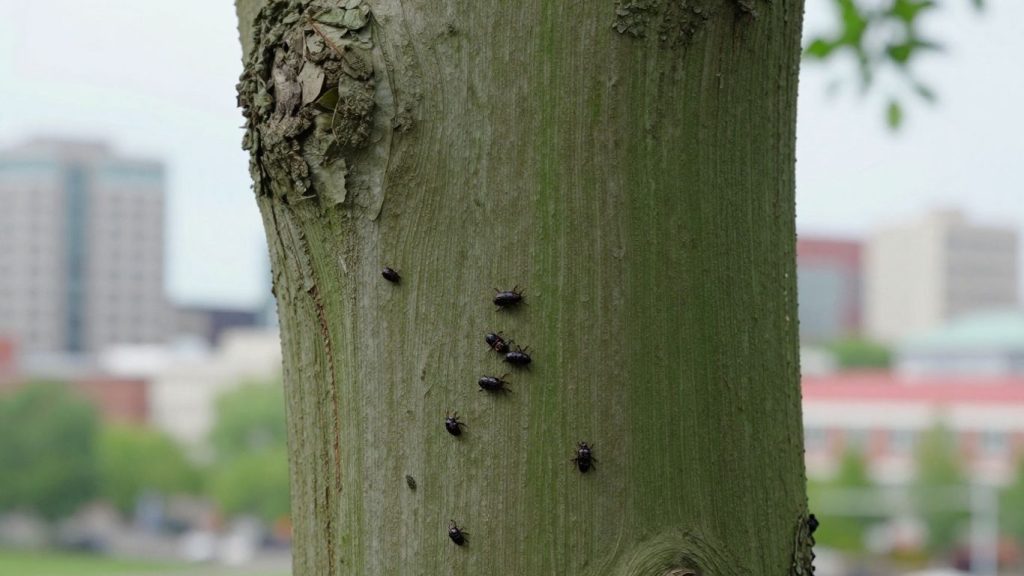
So, what’s next for Fredericton’s ash trees? It’s a tough question, and honestly, the outlook isn’t exactly rosy. We’ve seen in other parts of Canada, like Ontario, that once the emerald ash borer really gets going, it can wipe out a huge chunk of the ash population – we’re talking over 90% in some areas. Fredericton has a lot of ash trees in its parks and along streets, so losing them would really change the look and feel of our city.
But it’s not all doom and gloom. People are working on this. The City of Fredericton is actively treating trees, which is a form of ash tree treatment that Fredericton residents can learn about. They’re also setting up traps to monitor the beetle population. The goal isn’t to stop the borer completely – that’s pretty much impossible – but to slow it down and keep as many trees standing as possible for as long as possible. This helps maintain our city’s green canopy, which is important for shade, air quality, and managing rainwater.
Here’s a quick look at what’s happening:
- Monitoring: City crews are tracking beetle numbers to see where the infestation is worst.
- Treatment: Injecting healthy or slightly infested trees with insecticides to protect them.
- Research: Scientists are always looking for new ways to fight the borer, including biological controls and better treatments.
Frequently Asked Questions
What exactly is the Emerald Ash Borer (EAB)?
The Emerald Ash Borer, or EAB, is a tiny, shiny green beetle that comes from Asia. It’s a major problem because it only eats ash trees. Since arriving in Canada, it has unfortunately killed millions of these trees. It’s a serious threat to ash trees everywhere, including right here in Fredericton.
How did the EAB get to Fredericton?
The EAB likely arrived in Fredericton by hitching a ride on firewood or other wood products that were moved around. These tiny beetles can’t fly very far on their own, so people accidentally moving infested wood is the main way they spread to new areas like ours.
What are the signs that my ash tree might have EAB?
You might notice the top of the tree’s leaves dying and branches breaking off. You could also see woodpeckers pecking at the bark, looking for the grubs inside, which leaves lighter patches. Sometimes, you’ll see small, D-shaped holes where the adult beetles have chewed their way out of the tree.
Can we stop the EAB from spreading in Fredericton?
It’s very difficult to completely stop the EAB once it’s here. The main goal for the city is to slow down how fast it spreads. This helps protect the ash trees we have for as long as possible, keeping our city green and healthy.
What can I do if I think my ash tree is infested?
If you suspect your ash tree has EAB, it’s best to report it to the City of Fredericton or the Canadian Food Inspection Agency. They can help figure out the best steps to take, which might include treatment or, in some cases, removing the tree to prevent the spread.
Is there anything good coming out of this situation?
While the EAB is a big challenge, scientists are working hard on new ways to fight it, like special treatments and even collecting ash tree seeds. This is important for saving the ash tree for the future, in case we lose many of them to the beetle.