
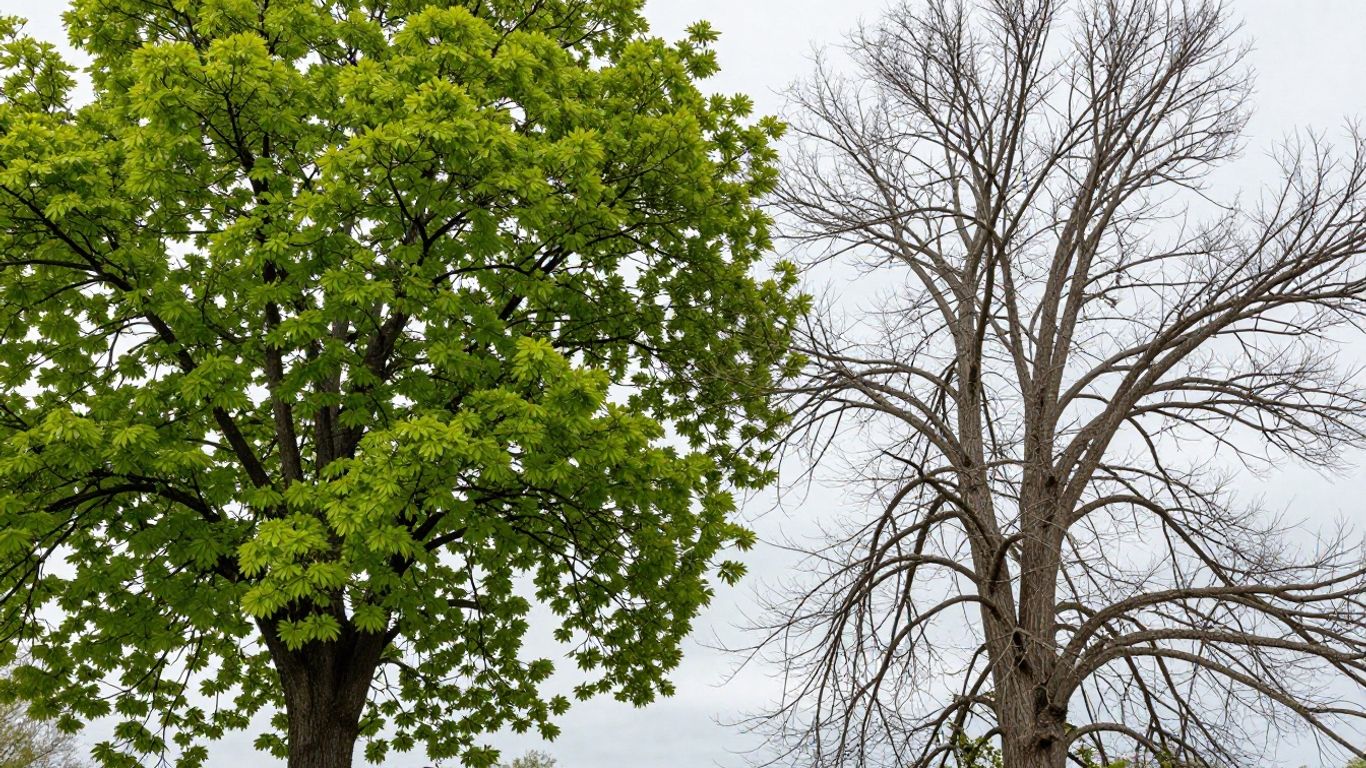
Every spring in Fredericton, homeowners walk out into their backyard and ask the same question — “Is my tree coming back this year?” That bare, silent tree standing in your yard can be worrying. But before you make any decisions, take a breath. Not every leafless tree is a lost cause. Knowing the difference between a dead tree and a dormant one could save you from removing a perfectly healthy tree too soon.
Understanding the Difference: Dead vs. Dormant
Spring is here in Fredericton, and while many of us are eager to see our trees burst back to life, sometimes it’s not so clear-cut. You might be looking at a tree that seems a bit… lifeless. Before you grab the chainsaw, it’s important to know if your tree is truly dead or just taking its sweet time waking up from winter. They’re not the same thing, not by a long shot.
What is a Dormant Tree?
A dormant tree is basically a tree that’s taking a break. Think of it like hitting the snooze button. During the cold months, trees conserve energy by slowing down their growth and dropping their leaves (if they’re deciduous). This is a natural survival strategy, especially after a tough winter like we sometimes get here in New Brunswick. They’re not dead; they’re just resting, waiting for the right conditions – like warmer temperatures and longer days – to get back to work. You’ll often see that the branches are still flexible, and there’s a good chance of green or moist tissue just under the bark.
What is a Dead Tree?
A dead tree, on the other hand, is pretty much what it sounds like. It’s no longer alive. All the biological processes that keep a tree going have stopped. This can happen for a lot of reasons, from severe disease to physical damage. Unlike a dormant tree, a dead tree won’t show signs of life. The branches might be brittle and snap easily, and if you scratch the bark, you’ll likely find dry, brown wood underneath, with no moisture at all. It’s a sad sight, but sometimes it’s the reality.
It’s easy to get them mixed up, especially when spring is slow to arrive. But knowing the difference can save a perfectly healthy tree from being removed too early.
- Dormant Tree: Resting, conserving energy, waiting for spring. Still has potential for new growth.
- Dead Tree: No longer alive. All biological functions have ceased. No potential for new growth.
The key is patience and observation. Nature has its own schedule, and sometimes trees just need a little extra time to show they’re still in the game.
Key Indicators to Differentiate This Spring
So, spring is here in Fredericton, and you’re looking at your trees. Some look a bit sad, maybe a little bare. The big question is: are they just waking up from a long winter nap, or have they actually kicked the bucket? It can be tough to tell, but there are a few simple things you can check right in your own backyard.
The Scratch Test: Checking for Life
This is probably the easiest and quickest way to get a clue. Grab a small knife or even your fingernail and gently scratch away a tiny bit of the outer bark on a twig or a small branch. If you see green underneath, that’s a good sign! It means the tree is still alive and has moisture in its tissues. If you just see brown or dry, it’s not looking so good in that spot. Do this on a few different branches, especially on younger growth, to get a better picture.
Buds: A Sign of Spring’s Return
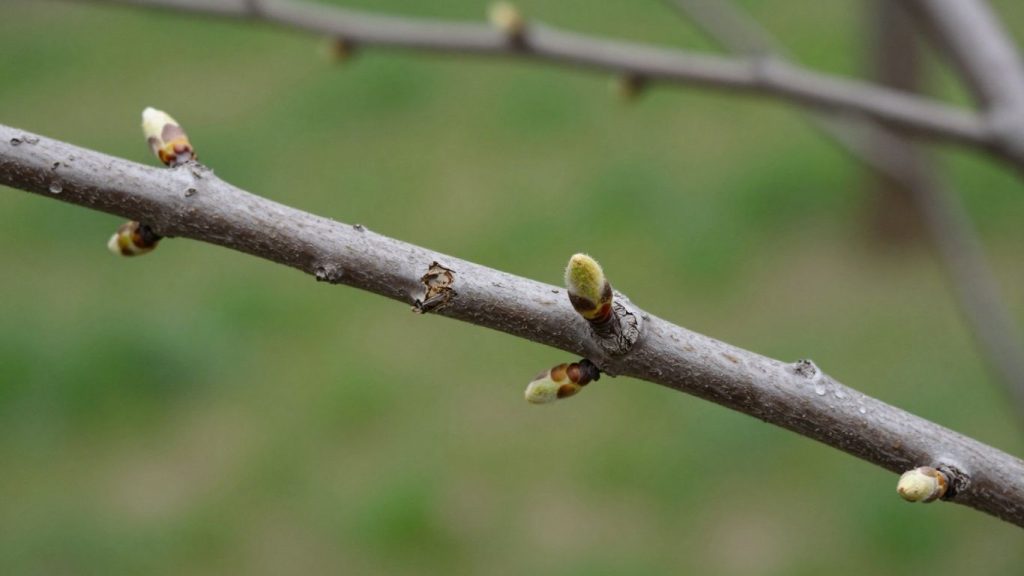
Keep an eye on the buds. Most trees will have visible buds that are starting to swell as the weather warms up. If you see plump, healthy-looking buds, that’s a strong indicator that the tree is preparing to leaf out. If the buds are shriveled, dry, or just don’t seem to be changing at all, it could mean they’re dead. Sometimes, buds can look a bit rough after a harsh winter, but if they’re completely dried out and brittle, it’s a bad sign.
Leaf Development: The Ultimate Test
This is the most obvious sign, of course. Dormant trees will start to show new leaf growth as spring progresses. If your tree is putting out leaves, even small ones, it’s definitely alive. Dead trees won’t produce any new foliage. You might see some trees leaf out a bit later than others, so don’t panic if one is lagging behind its neighbors.
Bark and Branch Integrity
Take a good look at the bark and the branches themselves. Healthy bark is usually firm and somewhat flexible. If the bark is peeling away easily, is cracked all over, or looks dried out and brittle, that’s a red flag. Also, check the smaller branches. If they snap easily and sound dry and brittle, they’re likely dead. Live branches will usually bend a bit before breaking and might show some moisture.
Common Causes for Tree Dormancy and Death in Fredericton
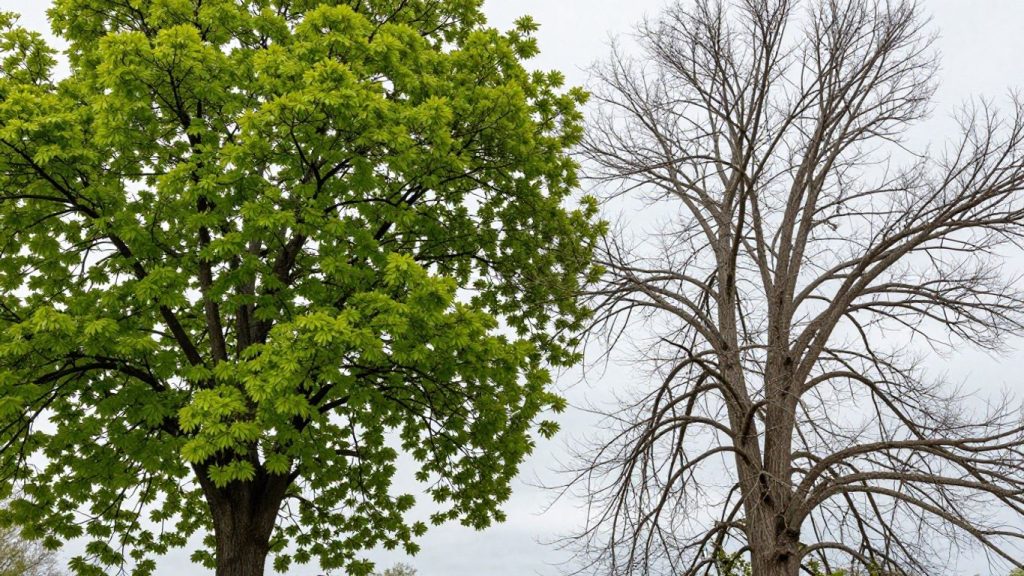
So, your tree looks a bit sad this spring. It’s not uncommon here in Fredericton, especially after a tough winter. Several things can make a tree look like it’s not coming back, but often, it’s just taking a really long nap. Let’s break down why your tree might be acting this way.
Spring Recovery After a Hard Winter
Fredericton winters can be brutal. We get a lot of snow, freezing rain, and sometimes really cold snaps. These conditions can stress out even the hardiest trees. Sometimes, the damage isn’t immediately obvious. The tree might have lost some roots to frost, or its water transport system could be partially blocked by ice. This means it might take a while for it to show signs of life, even when the weather warms up. It’s important to remember that a dormant tree in spring is normal, but a tree that shows no signs of life after a few weeks of warm weather might be in trouble.
Here are some common winter-related issues:
- Frost Damage: Extreme cold can kill buds or damage the cambium layer just under the bark.
- Drought Stress: Even with snow cover, dry spells in late winter or early spring can dehydrate trees.
- Physical Damage: Heavy snow or ice can break branches, and wind can cause trees to sway, damaging roots.
- Sunscald: Rapid temperature changes, especially on sunny winter days followed by freezing nights, can damage bark on the south or southwest side of the trunk.
It’s tough to tell if your tree is just dormant or truly gone. Sometimes, the signs of dead trees can be subtle at first. If you’re unsure about identifying dead trees in spring or if you suspect a pest or disease problem, it’s always a good idea to get a professional opinion. They can help determine if your tree is just sleeping or if it’s time to consider removal. Understanding these common causes can help you better assess your tree’s condition and know when to seek help.
When to Call a Fredericton Tree Professional
Sometimes, even after trying all the home remedies and tests, you’re still not sure if your tree is going to make it. That’s perfectly okay. Trees can be tricky, and honestly, some problems are just beyond what a homeowner can handle.
If you’re seeing signs of serious decay, significant structural damage, or if the tree is posing a safety risk to your home or your neighbors, it’s definitely time to call in the experts. Trying to tackle a large, potentially unstable tree on your own can be really dangerous. We’re talking about heavy branches and a lot of weight that could cause serious injury or property damage.
Here are a few situations where getting professional help in Fredericton is a smart move:
- Safety Concerns: If branches are hanging precariously over your house, driveway, or a public walkway, or if the trunk shows deep cracks or signs of rot, don’t wait. A professional can assess the risk and remove the hazard safely.
- Large or Inaccessible Trees: For trees that are very tall, located near power lines, or difficult to reach, specialized equipment and training are needed. This is not a DIY job.
- Persistent Pests or Diseases: If you’ve tried to identify and treat a pest or disease but it keeps coming back or spreading, an arborist can offer more advanced solutions or confirm if the tree is too far gone.
- Uncertainty About a Dead Tree: If you’ve done the scratch test and checked the buds, but you’re still unsure if your tree is a lost cause or just having a rough spring, a professional opinion can provide clarity. They can often tell if a tree has a chance of recovery or if it’s truly a dead tree in Fredericton that needs removal.
Don’t hesitate to reach out to a local Fredericton tree service if you have any doubts. They have the tools, knowledge, and experience to handle even the most challenging tree situations. Contact Heartwood Tree Care today for a free spring tree assessment in Fredericton.
Conclusion: Don’t Give Up on Your Tree Too Soon
It’s easy to look at a tree that hasn’t shown much activity by mid-spring and assume the worst. But remember, nature has its own timeline, and some trees are just late bloomers, especially after a tough winter. Before you make any drastic decisions, give it a little more time and keep checking those signs we talked about – the scratch test, the buds, and any new leaf development.
Sometimes, a tree just needs a bit of help to get back on its feet. Think about what might have stressed it out. Was it a particularly harsh winter with lots of freeze-thaw cycles? Did you notice any unusual insect activity or signs of disease earlier in the year? Addressing these underlying issues can make a world of difference. For instance, proper watering and maybe some light fertilization, if recommended for your tree type, can provide the boost it needs. It’s also worth considering the soil around your tree; sometimes compacted soil can hinder root growth, and there are ways to help that, like careful aeration or adding compost.
Frequently Asked Questions
How can I tell if my tree is just sleeping for the winter or is actually dead?
It’s a common worry in the spring! Think of it like this: dormant trees are just resting, like they do every winter. They’ll wake up when the weather gets warmer. Dead trees, however, show signs of being gone for good. We’ll look at a few simple tests to help you figure it out.
What’s the ‘scratch test’ for trees?
The scratch test is a super-easy way to check if there’s life under the bark. Gently scratch a small bit of the outer bark with your fingernail or a small knife. If you see green underneath, the tree is likely alive and just dormant. If it’s brown and dry, that part of the tree might be dead.
What should I look for regarding buds on my trees?
Buds are like little promises of new leaves. In the spring, if your tree is alive, you should start to see buds swelling or even opening. If the branches are bare and there are no signs of buds forming, even when it’s warm enough, it could mean the tree isn’t going to make it.
Besides buds, what other signs show a tree is alive?
Keep an eye on the leaves! A healthy, waking tree will start to grow new leaves. If your tree doesn’t show any leaf development by late spring, that’s a bad sign. Also, check the bark and branches. If they are brittle, cracked, or falling off easily, it suggests the tree is in trouble.
Why might my Fredericton tree be struggling this spring?
Fredericton winters can be tough! Sometimes, trees just need a little extra time to recover from harsh cold or ice. Other times, tiny pests or diseases can weaken a tree, making it look like it’s not coming back. It’s important to consider what the tree has been through.
When should I call a tree expert?
If you’ve tried these simple checks and you’re still unsure, or if your tree looks unhealthy with lots of dead branches, cracks, or signs of pests, it’s a good idea to call a local arborist. They have the knowledge and tools to properly assess your tree’s health and tell you what needs to be done.