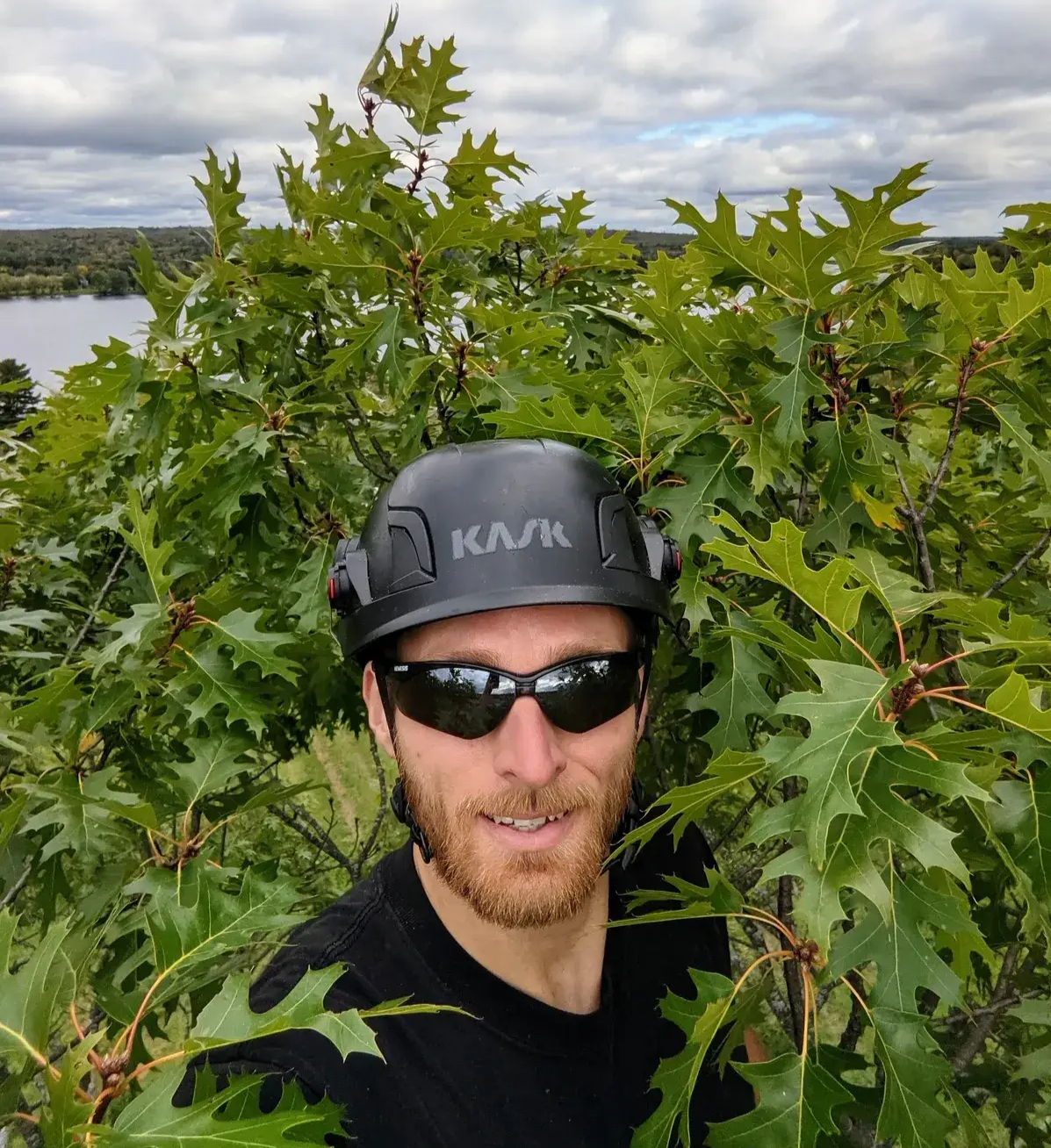
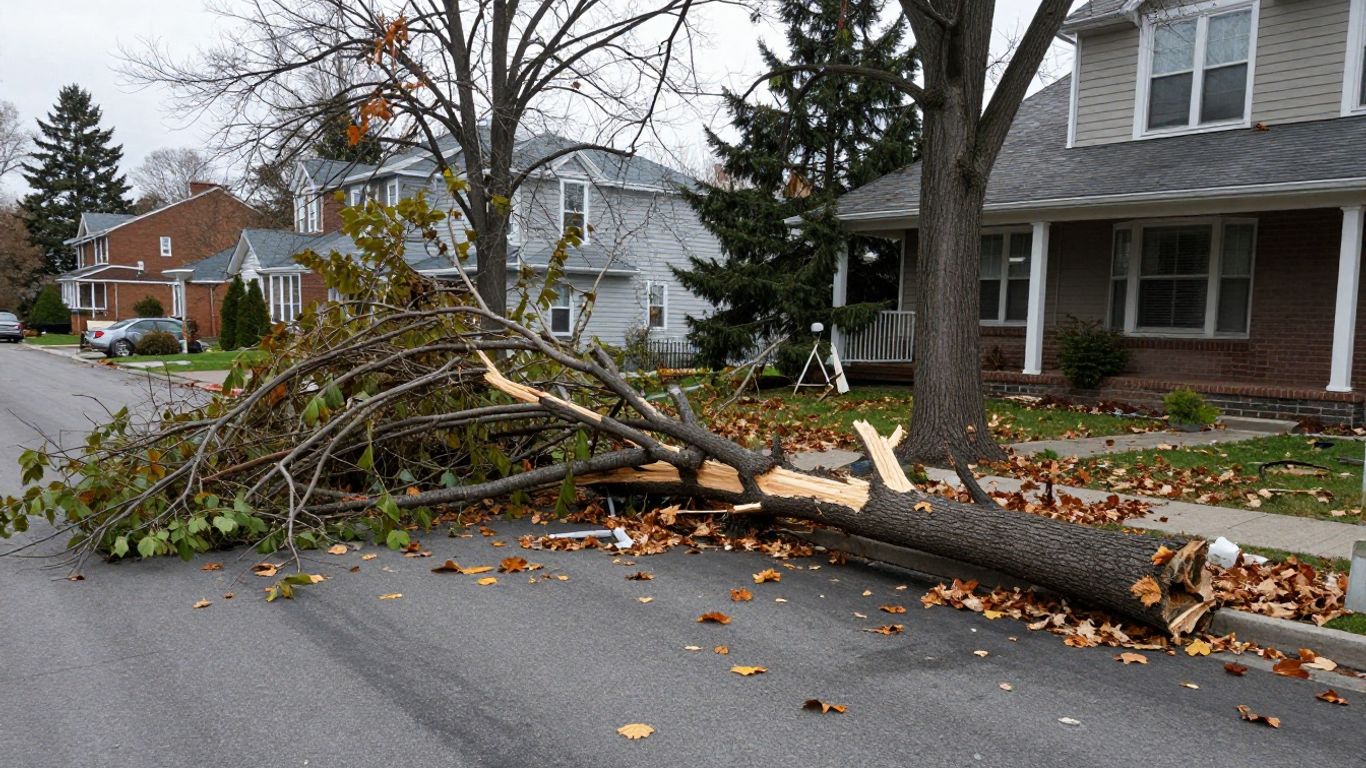
Fredericton has seen its share of rough weather, from strong winds to heavy snow. When storms hit, trees can take a beating, leaving behind broken branches and sometimes whole trees down. Dealing with storm damaged trees Fredericton residents might face can feel overwhelming. This guide will help you figure out what to do next, keeping you and your property safe.
Immediate Safety Precautions After Heavy Wind or Snow
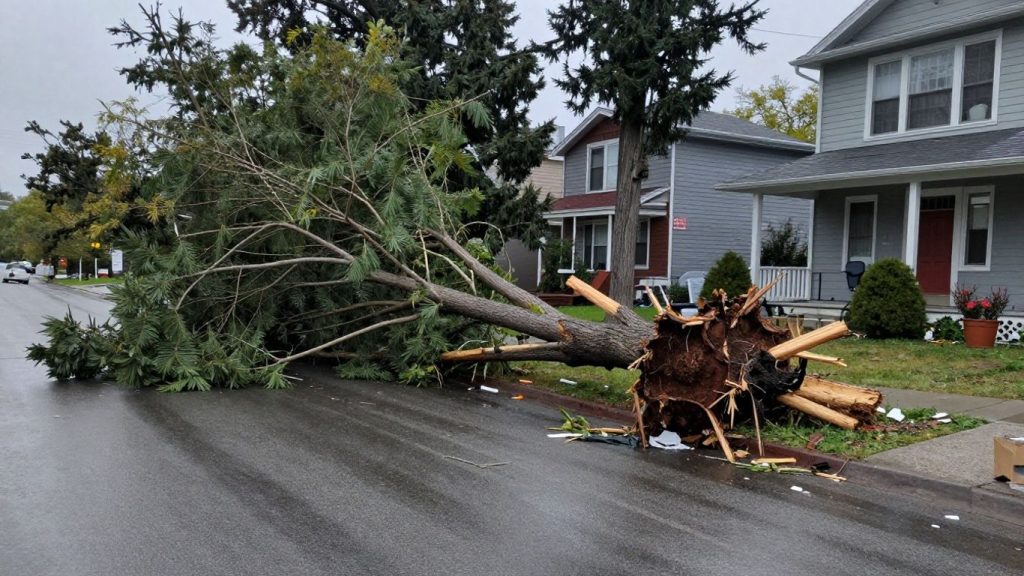
After a big storm with strong winds or heavy snow, the first thing you need to do is focus on staying safe. Don’t just rush outside to check on things; take a moment to assess the situation from inside your home. Look out your windows for any obvious dangers before opening the door.
Here are some key things to watch out for:
- Downed Power Lines: These are incredibly dangerous. Never go near them, and keep pets and children far away. If you see a downed line, report it to the utility company immediately. Assume any downed line is live and dangerous.
- Damaged Trees and Branches: Look for trees that are leaning at odd angles, or branches that are cracked, hanging precariously, or resting on your house or other structures. These could fall without warning.
- Structural Damage: Check your roof, siding, and windows for any signs of damage. Heavy snow can put a lot of weight on roofs, and strong winds can cause significant damage to your home’s exterior.
- Flooding: If there was heavy rain or rapid snowmelt, be aware of potential flooding, especially in low-lying areas or if your home has drainage issues.
If you have a generator, make sure it’s running properly and safely. Never operate a generator indoors or in an attached garage due to the risk of carbon monoxide poisoning. Also, be mindful of slippery surfaces outside due to ice or wet debris. If you need to clear snow or debris, wear appropriate footwear and be cautious of hidden ice patches. For larger issues like significant tree damage, it’s often best to call in the pros. They have the right equipment and know-how to handle dangerous situations, like dealing with tree stumps that might be left behind after a tree falls.
When to Call a Professional Arborist in Fredericton
After a big storm, it’s easy to look at your trees and think, ‘I can handle this.’ Maybe a branch is down, or a tree looks a little wobbly. But before you grab a chainsaw or a ladder, let’s talk about when it’s really time to call in the pros. Trying to fix tree damage yourself can be way more dangerous than you think, and sometimes, you just need someone with the right gear and know-how.
Understanding Insurance Claims for Tree Damage
Dealing with insurance after a storm can be a headache. If a tree on your property caused damage to your house or a neighbor’s, your insurance company will want to know what happened. Sometimes, they might even require an arborist’s report to figure out if the tree was already unhealthy before the storm hit. This can affect whether they cover the damage or not. It’s a good idea to check your policy and see what it says about storm damage and trees. If you’re unsure, give your insurance agent a call. They can explain what you need to do and what kind of documentation they might need from you, especially if you end up hiring an arborist.
- Document everything: Take pictures of the damage from different angles. Note down the date and time you noticed the damage.
- Contact your insurance company promptly: Don’t wait too long to report the incident.
- Keep records of all communications: This includes emails, phone call dates, and who you spoke with.
- Understand your deductible: Know how much you’ll have to pay out-of-pocket before your insurance kicks in.
Risks of Attempting to Remove Damaged Trees Yourself
Seriously, the risks are pretty high. You could get seriously injured, or worse. Think about it: a big branch could snap unexpectedly, a tree could shift while you’re cutting it, or you could lose your balance on a ladder. And if you damage your property or your neighbor’s property while trying to fix it yourself, your insurance might not cover it. It’s just not worth the gamble when there are people who do this for a living and have all the safety equipment and training.
- Physical Injury: Cuts, falls, electrocution from power lines, or being hit by falling debris.
- Property Damage: Causing more damage to your home, garage, or your neighbor’s property.
- Damage to Tools: Chainsaws and other equipment can be damaged by unexpected tree movement.
- Legal Liability: If you injure someone else or damage their property, you could be held responsible.
DIY vs. Professional Tree Removal After Heavy Wind or Snow
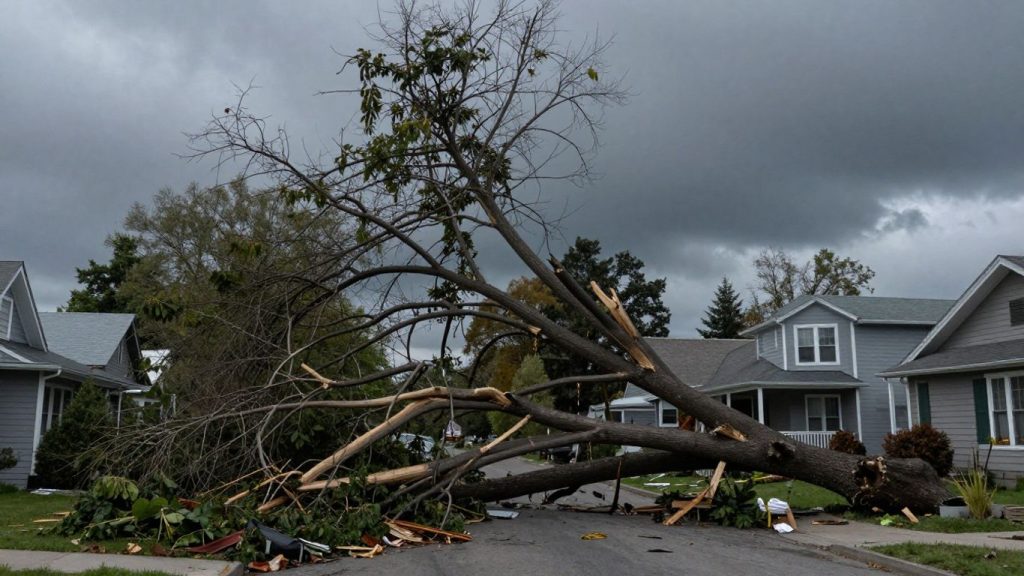
After a big storm hits Fredericton, you might look at your trees and see some damage. Maybe a branch is hanging precariously, or a whole tree has come down. It’s tempting to think, ‘I can handle this myself!’ But before you grab a chainsaw, let’s talk about what makes sense.
Risks of Attempting to Remove Damaged Trees Yourself
Look, I get it. You want to save money, and maybe you’re feeling pretty confident. I once tried to fix my own leaky faucet, thinking it would be a quick job. Turns out, I ended up with water spraying everywhere and had to call a plumber anyway, plus buy a new part I’d broken. Tree removal can be way more complicated and dangerous than a leaky faucet.
Here’s why you should think twice before going the DIY route:
- Falling Hazards: Damaged trees are unpredictable. A branch that looks stable could snap without warning, or the whole tree could shift unexpectedly. This is a major safety risk for you and anyone nearby.
- Equipment Issues: Professional arborists have specialized tools like climbing gear, ropes, and powerful saws designed for tree work. Using the wrong equipment or using it incorrectly can lead to serious injury.
- Property Damage: If you’re not careful, you could easily damage your house, your car, or your neighbor’s property while trying to remove a tree or its branches. That kind of damage can cost a lot more to fix than hiring a pro in the first place.
- Hidden Dangers: Sometimes, the damage isn’t obvious. A tree might be weakened at the base or have internal rot that makes it unstable. Professionals can spot these issues, but they’re easy for a homeowner to miss.
When you’re weighing your options, consider the potential costs of an accident or further damage. Sometimes, the ‘cheaper’ option ends up being the most expensive in the long run.
Preventative Measures for Trees After Heavy Wind or Snow
Taking steps before a storm hits can really make a difference in how your trees hold up. It’s all about being proactive rather than reactive, you know? A little bit of care now can save you a lot of hassle and potential damage later.
Regular Tree Maintenance and Pruning
Keeping your trees in good shape is key. This means regular check-ups and trimming away any dead or weak branches. Think of it like giving your trees a haircut – you want to keep them healthy and manageable. Dead branches are basically invitations for trouble during high winds or heavy snow. They’re the first to go, and when they fall, they can cause a lot of damage to your property or even hurt someone. Pruning also helps improve air circulation within the tree’s canopy, which can reduce the risk of disease and make it less susceptible to wind damage. It’s a good idea to have a professional arborist assess your trees every few years, especially if you have older or larger trees on your property. They can spot problems you might miss and know just how to trim them back safely.
- Inspect for disease or pest infestations: These can weaken a tree’s structure.
- Remove dead, damaged, or crossing branches: These are weak points.
- Thin out dense canopies: This allows wind to pass through more easily.
- Consider the tree’s natural shape: Prune to encourage strong branch structure.
Strengthening Trees Against Future Wind and Snow Events
Beyond basic pruning, there are other things you can do to make your trees more resilient. Sometimes, the soil itself can be a factor. In Fredericton, the soil can sometimes lack nutrients or have poor drainage, which affects how well trees can establish strong root systems. Improving your soil health by adding compost can make a big difference over time. A strong root system is like a good foundation for a house – it keeps everything stable. For particularly vulnerable trees, like those with a history of limb breakage or those in exposed locations, you might consider structural support. This could involve cabling or bracing certain branches. It’s not a one-size-fits-all solution, and it’s definitely something best left to the pros. They can assess the tree and determine the best type of support, if any, is needed. It’s also worth thinking about the types of trees you have. Some species are naturally more prone to wind damage than others. When planting new trees, choosing species that are well-suited to our local climate and conditions can save you a lot of trouble down the road. You can find some great advice on local soil conditions that might impact your trees’ health.
- Cabling and bracing: For trees with weak branch unions or leaning trunks.
- Mulching: Helps retain soil moisture and regulate soil temperature, benefiting root health.
- Proper watering: Especially important during dry spells, as drought-stressed trees are weaker.
- Choosing the right tree for the right place: Consider mature size, wind tolerance, and soil needs when planting.
Local Resources for Storm-Damaged Trees in Fredericton
Dealing with wind-damaged trees, Fredericton advice, and general storm recovery in Fredericton can feel overwhelming, especially when you’re trying to figure out the best next steps. When a big storm hits, whether it’s heavy wind or a significant snowfall, tree damage in Fredericton cleanup becomes a priority for many homeowners.
Don’t hesitate to reach out to local services if you’re unsure about assessing tree damage in Fredericton. They have the experience and equipment to handle these situations safely and efficiently.
Here are some places to turn:
- City of Fredericton Parks and Recreation: For issues concerning trees on public property or if you have questions about city bylaws related to tree removal, this is a good starting point. They can offer guidance on what falls under municipal responsibility.
- Local Arborist Services: Fredericton has several qualified arborists. Look for those certified by a recognized professional organization. They can provide expert assessments of tree health, recommend removal or pruning, and often assist with insurance documentation.
- Emergency Services (Fire Department/Police): If a downed tree is posing an immediate danger, like blocking a road, falling on a structure, or near power lines, call 911. They will assess the situation and dispatch appropriate help.
- NB Power: If trees are in contact with power lines, never attempt to clear them yourself. Report downed lines or trees interfering with electrical infrastructure directly to NB Power immediately.
Moving Forward After the Storm
So, Fredericton, we’ve been through some rough weather lately. High winds and heavy snow can really do a number on our trees, leaving behind a mess and some real safety concerns. Remember, if you see a downed tree or a damaged branch, don’t try to handle it yourself. Call the pros, whether it’s the city or a qualified arborist. Taking care of these issues promptly not only keeps us safe but also helps our trees recover and keeps our city looking its best. Let’s all keep an eye out for each other and our green spaces as we clean up.
Frequently Asked Questions
What should I do right after a storm damages trees in my yard?
Your first priority is safety. Stay away from any downed trees or branches, especially if they are near power lines. If a tree or large branch has fallen on your house or car, or is blocking a road, call emergency services immediately. For less urgent issues, avoid going near the damaged trees until it’s safe.
When is it time to call a tree expert after a storm?
If you see large branches broken, the tree leaning dangerously, or if the tree has fallen completely, it’s best to call a professional arborist in Fredericton. They have the right tools and know-how to safely deal with big or tricky tree problems. Don’t try to handle major damage yourself.
Can I try to clean up storm-damaged trees myself?
It’s usually not a good idea to try removing large damaged trees or branches on your own. Chainsaws and heavy limbs can be very dangerous. There’s a high risk of getting hurt or causing more damage to your property. Leave the serious work to trained professionals.
How do I know if my home insurance covers tree damage?
Check your home insurance policy or call your insurance agent. Most policies cover damage to your house caused by fallen trees, but coverage for trees on your property might be different. It’s important to understand what your policy includes before you start repairs.
What can I do to make my trees stronger against future storms?
Regularly trimming your trees helps remove weak or dead branches that could break easily. Also, make sure trees aren’t planted too close to your house or power lines. Sometimes, experts can add supports to help trees stand up better against strong winds or heavy snow.
Where can I find help for storm-damaged trees in Fredericton?
You can look for certified arborists in the Fredericton area. Local tree service companies are experienced with storm cleanup. You can also check with the City of Fredericton for any specific guidelines or resources they might offer after severe weather events.