
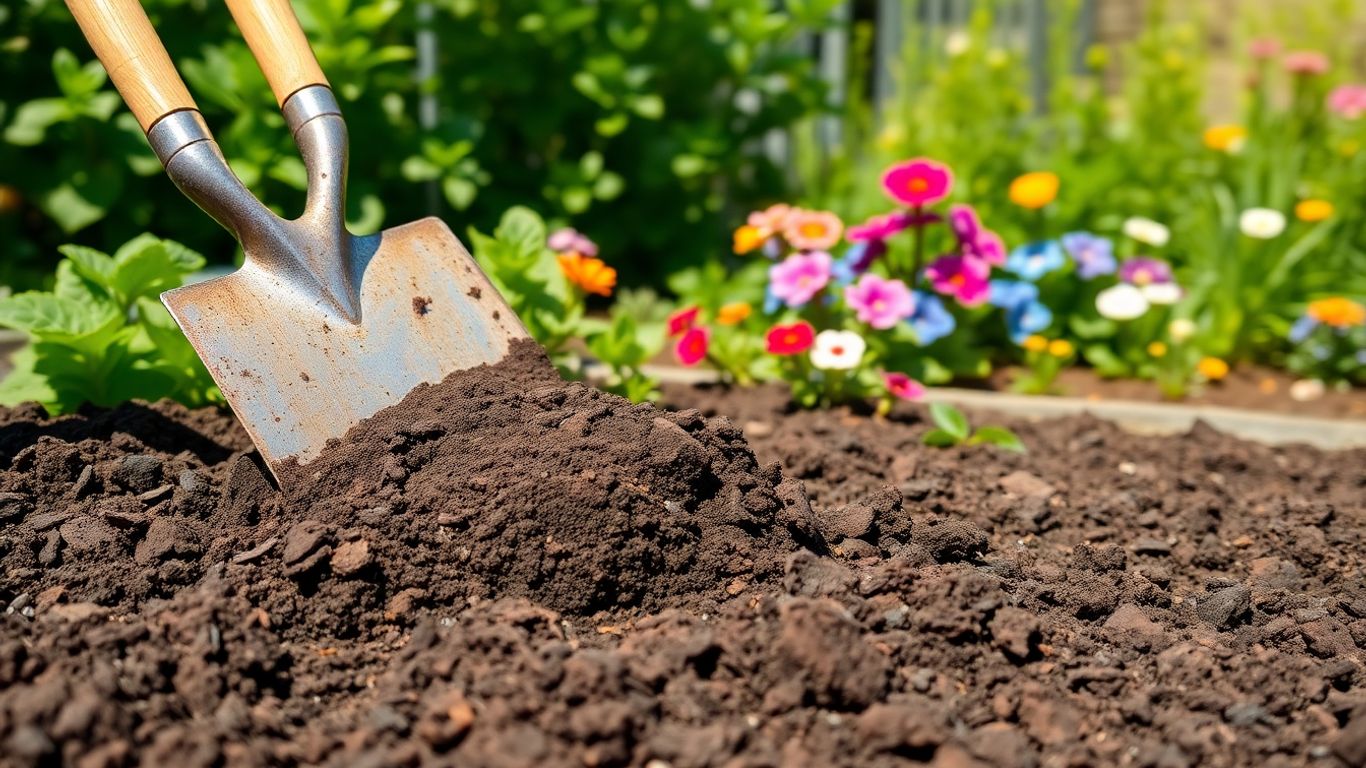
Thinking about your garden or lawn in Fredericton? The soil is where it all starts. Getting your soil right can make a huge difference in how healthy and vibrant your plants look. This guide is all about Fredericton soil care, looking at the best ways to treat your soil and what to add to it. We’ll cover understanding what you’ve got, how to improve it, and some eco-friendly tips to keep things growing well. Healthy soil also supports stronger trees, reducing issues like weak branches and improving results from tree trimming and pruning.
Key Takeaways
- Fredericton’s soil often needs organic matter added to improve fertility and structure.
- Soil amendments like compost and manure help build healthier soil over time.
- The “4R Nutrient Stewardship” approach (right product, time, place, rate) is important for fertilizer use.
- Monitoring soil health and using site-specific solutions can reduce environmental impact.
- Choosing plants suited to the local climate and managing pests are also part of good Fredericton soil care.
Understanding Fredericton’s Soil: A Foundation for Success
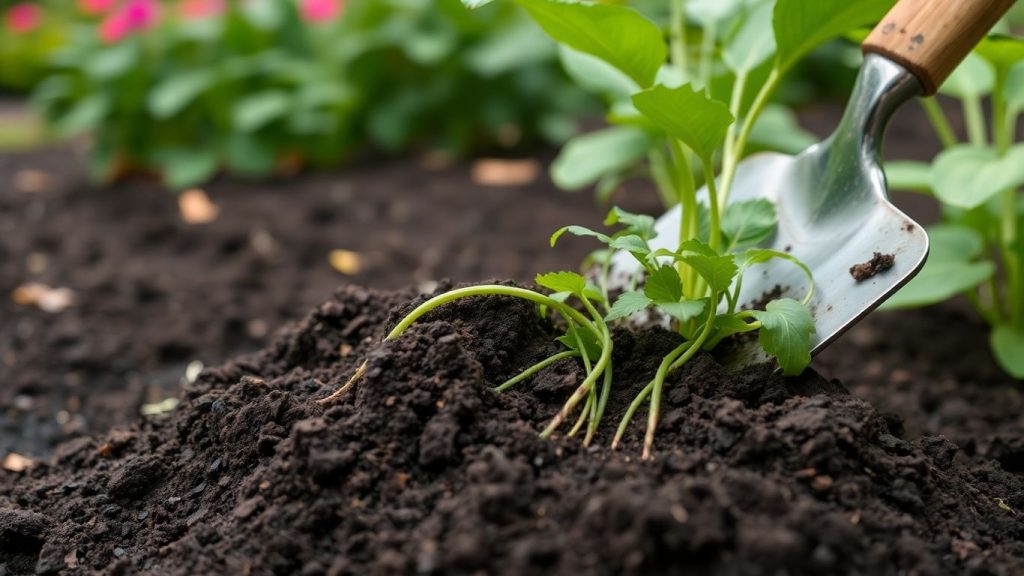
Before we start talking about adding things to your soil, it’s a good idea to get a handle on what you’re working with right here in Fredericton. Our local soil isn’t quite like what you find in other parts of Canada. Generally speaking, soils in Atlantic Canada, including our area, tend to have lower organic matter content compared to places like Ontario, Quebec, or the Prairies. This means they can be less fertile naturally. Building up that organic matter is key to making our gardens and landscapes thrive.
Think about it like this: healthy soil is the base for everything else. If your soil is compacted, lacks nutrients, or doesn’t drain well, even the best plants will struggle. We’re not talking about super-fertile, black dirt that’s ready to go right out of the bag. Our soils often need a little help to reach their full potential. This is especially true when dealing with the unpredictable weather patterns we’ve been seeing more of lately.
Here are a few things that often come up when discussing Fredericton’s soil:
- Lower Organic Matter: This is a big one. Less organic matter means less food for soil microbes and less ability for the soil to hold onto water and nutrients.
- Nutrient Availability: While there might be nutrients present, they might not be in a form that plants can easily use. This is where understanding soil testing becomes important.
- Drainage and Compaction: Depending on the specific location, Fredericton soils can sometimes be prone to compaction or poor drainage, which can suffocate plant roots.
Understanding these characteristics helps us choose the right amendments and practices. It’s not just about throwing stuff into the ground; it’s about making informed decisions based on what our soil actually needs. Getting a soil test done can give you a clearer picture of your specific situation, helping you avoid guesswork. For those looking to add structure and life to their landscape, professional advice on planting can be incredibly helpful, like what Heartwood Tree Care offers.
“Our local soil conditions present unique challenges and opportunities. Recognizing these traits is the first step toward creating a vibrant and resilient garden or landscape that can better withstand environmental changes.”
What Are Soil Amendments and How Do They Help
So, you’re thinking about giving your Fredericton garden a little boost? That’s where soil amendments come in. Think of them as supplements for your soil, kind of like vitamins for us. They’re materials you add to your existing soil to improve its physical condition, its water retention, and its overall health.
Adding amendments is key to fixing common soil problems and making your plants happier.
Why bother with amendments? Well, Fredericton’s soil, like many places, can sometimes be a bit stubborn. It might be too sandy and drains too fast, or it could be heavy clay that holds too much water and gets all compacted. Amendments help balance things out. They can improve drainage in clay soils, help sandy soils hold onto moisture and nutrients better, and generally make the soil easier for plant roots to grow through. Plus, many amendments add vital nutrients that your plants need to thrive.
Types of Soil Amendments Used in Fredericton
When we talk about amendments here in Fredericton, we’re usually talking about organic materials. These are the superstars for improving soil structure and feeding the beneficial microbes that live underground. Here are some common ones you’ll find:
- Compost: This is decomposed organic matter, like kitchen scraps and yard waste. It’s like a superfood for your soil, adding nutrients, improving structure, and boosting microbial activity. You can buy it or make your own!
- Aged Manure: Well-rotted animal manure is another fantastic source of nutrients and organic matter. Just make sure it’s aged properly; fresh manure can burn your plants.
- Peat Moss: While it helps with moisture retention and aeration, it’s worth noting that harvesting peat moss can have environmental impacts, so some gardeners prefer alternatives.
- Leaf Mold: Basically, decomposed leaves. It’s great for improving soil structure and water retention, especially in clay soils.
- Wood Ash (in moderation): Can add potassium and raise soil pH, but use it sparingly and know your soil’s pH first.
The goal with amendments is to build up the soil’s organic matter content. This organic matter acts like a sponge, holding onto water and nutrients, and it also provides food for the tiny organisms that keep your soil alive and healthy. Over time, this leads to stronger plants that are better able to handle dry spells or heavy rains.
Using amendments isn’t just about giving your plants a quick fix; it’s about building a healthier, more resilient soil ecosystem for the long haul. It means less reliance on synthetic fertilizers and a garden that’s more forgiving, even when the weather doesn’t cooperate.
Best Practices for Fredericton Soil Amendments
When you’re looking to improve your garden or landscape here in Fredericton, using the right soil amendments is key. It’s not just about dumping stuff into the ground; there’s a bit of a science to it, and doing it right makes a big difference for your plants. For starters, always think about what your soil actually needs. A soil test is a good idea, especially if you’re dealing with new brunswick garden soil improvement challenges. It helps you figure out if you’re low on nutrients, have drainage issues, or if the pH is off.
Using organic soil amendments Fredericton gardeners swear by is a smart move. Things like compost, well-rotted manure, or leaf mold add nutrients, improve soil structure, and feed those helpful microbes. It’s like giving your soil a healthy meal. When adding amendments, remember to mix them in well with your existing soil, rather than just layering them on top. This helps roots access the good stuff more easily.
Here are a few pointers for applying fredericton soil amendments:
- Incorporate amendments thoroughly: Don’t just spread them on the surface. Dig them into the top 6-8 inches of soil for best results.
- Consider the timing: Spring and fall are generally the best times to amend your soil, giving the organic matter time to break down and integrate.
- Start small and observe: You don’t need to go overboard. Add amendments gradually and watch how your plants respond.
- Mulch is your friend: After amending and planting, a layer of mulch helps retain moisture, suppress weeds, and further improve the soil over time.
Building up your soil’s organic matter is one of the most effective ways to create a resilient garden that can handle our local weather. It’s about creating a healthy ecosystem beneath your feet, not just feeding your plants.
If you’re dealing with significant soil issues, like compacted clay or very sandy soil, you might need to be more strategic. For instance, adding gypsum can help break up heavy clay, while more compost will improve water retention in sandy soils. Remember, healthy soil is the foundation for a thriving garden, and taking the time to amend it properly will pay off season after season. If you’re unsure about tree health or how it might impact your soil, consider consulting with professionals like Heartwood Tree Care for advice.
Eco-Friendly Approaches to Fredericton Soil Care
When we talk about taking care of our soil here in Fredericton, it’s not just about adding stuff; it’s also about being smart and gentle with our environment. Think about it – we want healthy plants and a healthy planet, right? It’s totally doable.
One big thing is returning organic matter to the soil. This means things like using compost, animal manures, or even just shredded leaves and grass clippings from your own yard. These aren’t just waste; they’re food for your soil. Building up that organic matter makes your soil better at holding water and nutrients, and it helps it bounce back from dry spells or heavy rain. It’s a way to keep carbon in the ground instead of in the air, which is a win-win. We need to pay attention to how much organic matter we have and encourage practices that build it up. It’s about creating more resilient soils that can handle whatever the weather throws at them.
Here are some ways to go green with your garden care:
- Composting: Turn kitchen scraps and yard waste into black gold for your garden. It reduces landfill waste and gives your soil a nutrient boost.
- Cover Cropping: Planting things like clover or rye in the off-season helps prevent soil erosion, suppresses weeds, and adds organic matter when tilled in.
- Mulching: Using natural materials like wood chips, straw, or shredded leaves keeps moisture in, regulates soil temperature, and discourages weeds.
- Water Conservation: Collect rainwater or reuse greywater from your home for irrigation. This cuts down on municipal water use.
- Natural Pest Control: Instead of harsh chemicals, try attracting beneficial insects, using companion planting, or making simple homemade remedies.
Being mindful of what we add and what we take away from our soil makes a big difference. It’s about working with nature, not against it. This approach not only benefits our gardens but also contributes to the overall health of our local environment and supports local food production.
Professional Soil Care Services in Fredericton
Tree removal can also impact your soil’s condition. When a large tree is removed, the remaining roots, compacted soil, and leftover wood chips can change drainage and soil structure. Professional tree removal in Fredericton often provide follow-up soil care, stump grinding, and site restoration to help the area recover and support new plant growth.
Sometimes, getting your soil just right feels like a puzzle. You want that perfect blend for your Fredericton gardens, the kind that makes plants thrive, and your lawn look its best. If you’re finding it a bit much to handle yourself, or if you’re aiming for top-notch lawn and garden soil health in NB, bringing in the pros can make a big difference. These services often have the tools and know-how to really assess what your soil needs.
What can these professionals do for you?
- Soil Testing: They can perform detailed tests to figure out your soil’s pH, nutrient levels, and organic matter content. This goes beyond a simple DIY kit, giving you a clearer picture of your soil’s condition.
- Amendment Recommendations: Based on the tests, they’ll suggest the right amendments – like compost, aged manure, or specific mineral supplements – to fix any imbalances.
- Application Services: Many companies also offer to apply these amendments for you, taking the guesswork and heavy lifting out of the process.
- Ongoing Maintenance Plans: For consistent soil health, some services provide regular check-ups and treatments throughout the growing season.
Final Thoughts on Fredericton Soil Care and Amendments
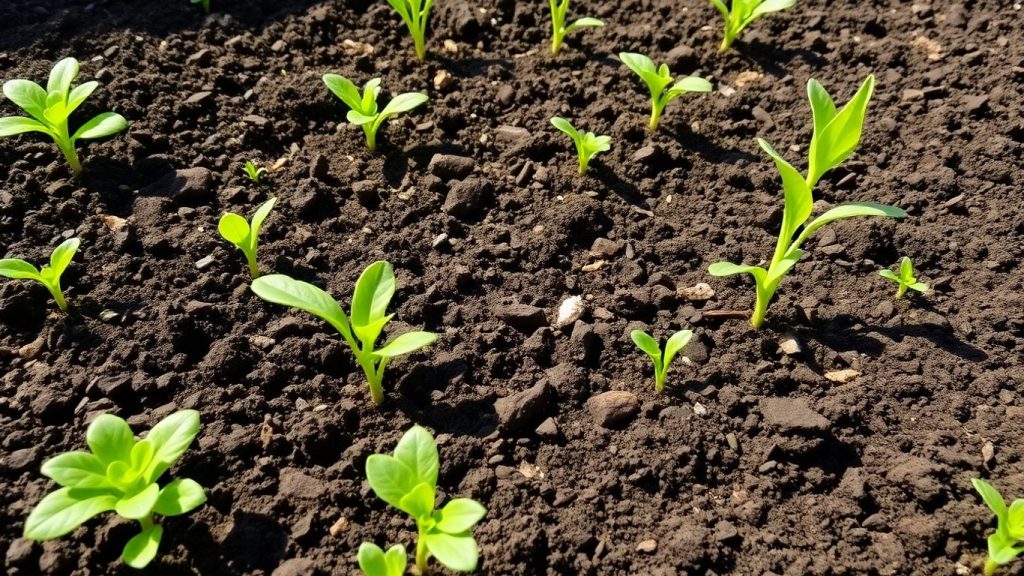
So, we’ve talked a lot about Fredericton’s soil, what amendments can do, and how to use them. It really boils down to treating your soil like a living thing, because, well, it is. Giving it the right food – that’s your compost, your aged manure, your other organic matter – and making sure it can breathe and drain properly is key. Healthy soil is the foundation for everything else in your garden or landscape.
Think about it this way:
- Build Organic Matter: This is the big one. It improves soil structure, water retention, and feeds beneficial microbes. It’s like giving your soil a long-term health boost.
- Nutrient Management: Don’t just throw fertilizer around. Use the ‘4Rs’ – right product, right time, right place, right rate. This saves money and prevents runoff that can harm local waterways.
- Monitor Your Soil: Regular soil testing helps you understand what your soil actually needs, rather than guessing. This is especially important in areas like Atlantic Canada, where soils can be naturally less fertile.
It’s easy to get caught up in the quick fixes, but long-term soil health is where the real magic happens. Practices that return organic matter, like using compost or even properly managed manure, are incredibly beneficial. It’s about closing the loop, using resources wisely, and building resilience in your garden. This approach not only benefits your plants but also contributes to a healthier environment, helping to increase carbon storage in the soil.
The goal is to move away from seeing soil as just dirt, and instead, recognize it as a dynamic ecosystem. By focusing on practices that nurture this ecosystem, we create landscapes that are more vibrant, productive, and sustainable for years to come. It’s a shift in perspective that pays off in spades
Ultimately, taking care of your Fredericton soil with the right amendments and practices isn’t just about having a pretty garden. It’s about creating a thriving environment that supports plant life, conserves water, and contributes to the overall health of our local ecosystem. It’s a rewarding process, and the results speak for themselves.
Wrapping Up: Your Fredericton Soil’s Future
So, we’ve talked a lot about making Fredericton’s soil happy and healthy. It really comes down to giving it what it needs, whether that’s adding back good stuff like organic matter or making sure plants get the right nutrients at the right time. Testing your soil is a smart first step, kind of like a check-up for your garden. And remember, building up that organic matter isn’t just good for your plants; it helps the environment too by storing carbon and making the soil tougher against weird weather. Keep these ideas in mind, and you’ll be well on your way to a thriving garden and landscape right here in Fredericton.
Frequently Asked Questions
Why is understanding Fredericton’s soil important for my garden?
Knowing about Fredericton’s soil is like knowing the foundation of a house. It helps you figure out what your plants need to grow well. Different soils have different amounts of clay, sand, and organic stuff, which affects how they hold water and nutrients. Understanding your soil helps you pick the right plants and know what to add to make them happy.
What are soil amendments and how do they help?
Soil amendments are like vitamins for your soil. They are materials you add to improve the soil’s condition. For example, adding compost can make clay soil drain better and sandy soil hold more water. They help make the soil healthier for plants by improving its structure, feeding helpful microbes, and providing nutrients.
What are some common soil amendments used in Fredericton?
In Fredericton, common amendments often include things like compost, which is decomposed organic material, and aged manure. Peat moss can also be used to improve water retention, though it’s important to use it responsibly. Sometimes, specific mineral amendments might be needed based on soil tests to balance things out.
How can I improve the organic matter in my Fredericton soil?
Boosting organic matter is super important! You can do this by adding compost regularly, using shredded leaves in the fall, or planting cover crops that you then till back into the soil. Returning plant residues to the soil also helps. This makes your soil richer, holds water better, and supports more life.
Should I get my soil tested in Fredericton?
Yes, testing your soil is a great idea! It tells you exactly what nutrients your soil has and what it’s missing. It also checks the pH level, which is how acidic or alkaline the soil is. Knowing this helps you choose the right amendments and fertilizers, so you don’t add too much or too little of anything.
Are there eco-friendly ways to care for my soil in Fredericton?
Absolutely! Using compost made from kitchen scraps and yard waste is a fantastic way to recycle and feed your soil. Reducing or avoiding tilling helps keep the soil structure intact and preserves organic matter. Choosing native plants that are suited to the local climate also means they’ll need fewer resources and amendments.