How to Keep Your Trees Healthy and Safe
Keeping your trees looking good and safe in Fredericton is a big deal, right? Like, you don’t want a big branch falling on your car or anything. Trees can get sick or have problems, and it’s not always obvious what’s going on. This guide is all about helping you figure out what’s up with your trees, from spotting weak branches to identifying diseases. We’ll cover the basics of Fredericton Tree Risks Diagnosis & Disease Evaluation so you can keep your yard looking nice and, more importantly, safe.
Key Takeaways
- Regularly check your trees for signs of trouble like cracks, dead branches, or unusual spots on leaves.
- Understanding common tree diseases and pest damage helps in early detection.
- Knowing when a tree problem is too much for you to handle is important for safety.
- Preventative care, like proper watering and pruning, can stop many issues before they start.
- A professional arborist can give you the best advice for keeping your Fredericton trees healthy and secure.
Understanding Common Tree Risks in Fredericton
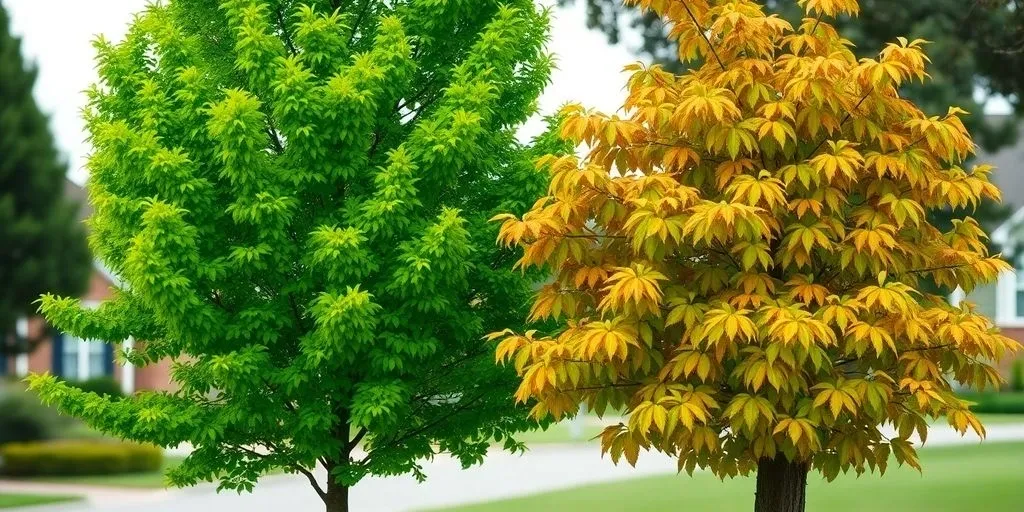
When you look at the trees around Fredericton, it’s easy to just see them as part of the scenery. But like anything living, they can face problems. Understanding these issues is the first step to keeping them healthy and safe. We’re talking about identifying hazardous trees Fredericton residents might have in their yards or parks.
Structural Weaknesses and Branch Failure
Trees can develop weak spots over time. This might be due to how they grew, damage from storms, or even just old age. Think about branches that grow at sharp angles, often called ‘included bark’. This is where two branches grow too close together, and the bark gets trapped between them. Over time, this weak point can split, leading to a branch falling. It’s not always obvious from the ground, so a good look is needed. Sometimes, decay starts inside the trunk or a major limb, and you can’t see it until it’s pretty advanced. This internal rot weakens the tree significantly, making it more prone to breaking.
Pest Infestations and Their Impact
Insects are a big deal for trees. Some pests bore into the wood, like certain beetles, which can weaken the tree’s structure or even kill it. Others suck the sap out, like aphids, which can stunt growth and make the tree more susceptible to diseases. You might see small holes in the bark, sawdust-like material (called frass) at the base of the tree, or sticky residue from sap. Different pests target different types of trees, so knowing what to look for on your specific trees is important. For instance, some native trees in New Brunswick, like butternut, are facing serious threats from specific fungal pathogens that are spread by insects, leading to a rapid decline in their populations.
Disease Identification and Progression
Diseases can also take a toll on our trees. Fungal infections are common and can show up in various ways. You might notice spots on the leaves, unusual wilting even when there’s enough water, or discoloration that isn’t just seasonal. Cankers, which are sunken or dead areas on branches or the trunk, are another sign. These can be caused by fungi or bacteria and can girdle a branch, cutting off its supply of water and nutrients. Some diseases progress slowly, while others can cause rapid decline. Keeping an eye on these symptoms helps in early detection and treatment, potentially saving the tree. It’s a good idea to be aware of common tree diseases affecting species in our area, as this can help in identifying hazardous trees that Fredericton homeowners might have. Regular checks can catch problems early. What looks like a minor issue today could become a major safety concern down the line if left unaddressed. Paying attention to the small details can make a big difference in the long-term health and safety of your trees.
Fredericton Tree Disease Evaluation: A Step-by-Step Guide
Keeping an eye on your trees in Fredericton is pretty important, especially if you want to avoid any nasty surprises down the line. A good Fredericton tree health assessment starts with knowing what to look for. It’s not always obvious when a tree is struggling, but there are definitely signs if you know where to direct your attention.
Visual Inspection for Tree Risks Diagnosis in Fredericton: What to Look For
When you’re checking out your trees, think of yourself as a detective. You’re looking for clues that something isn’t quite right. Start with the trunk and work your way up. Are there any cracks, splits, or deep wounds? What about the bark? Is it peeling off in large sections, or does it look unusually discolored? Don’t forget to check the base of the tree too; any signs of rot or mushrooms growing there can be a red flag. The overall shape of the tree can also tell you a story. Is it leaning more than it used to? Are there branches that look dead or are hanging at odd angles?
Signs of Disease: Spots, Wilting, and Discoloration
Diseases can manifest in a lot of different ways. You might see unusual spots on the leaves, which could be a sign of a fungal infection. Wilting, especially if it’s happening on one side of the tree or on specific branches, is another common indicator that something’s wrong. Discoloration is also a big one – leaves turning yellow, brown, or even black when they shouldn’t be can point to a variety of issues. Sometimes, the whole tree might just look generally unhealthy, with stunted growth or fewer leaves than you’d expect for the season. Understanding tree disease identification NB is key here, as different diseases affect trees in unique ways.
Recognizing Pest Damage: Holes, Galls, and Sap
Pests are another major concern for our trees. Look for small holes in the bark or leaves, which could mean insects are burrowing in or feeding. Galls, which are abnormal growths or swellings on branches or leaves, are often caused by insect activity. You might also notice sticky residue or sap oozing from the bark, which can be a sign of insect infestation or a wound that’s attracting pests. Sometimes, you’ll see actual insects on the tree, or evidence of them like webbing or chewed leaves. Keeping an eye out for these signs helps in early detection and management.
When to Call a Professional Arborist in Fredericton
Sometimes, you just can’t tell if that browning leaf or weird bark pattern is a big deal or just a minor annoyance. When you’re not sure, it’s always best to get a professional opinion. Trying to diagnose serious tree issues yourself can lead to mistakes, and honestly, it’s just not worth the risk to your property or your trees. That’s why many homeowners turn to experts in tree removal in Fredericton for safe, reliable solutions.
Assessing the Severity of the Risk
It’s not always easy to tell if a cracked branch is just a minor inconvenience or a serious hazard waiting to happen. Professionals can evaluate the structural integrity of your trees, looking at things like root health, trunk stability, and the overall condition of the canopy. They can also assess the potential impact of any pest or disease identified. This detailed assessment helps determine the urgency of the situation and the best course of action.
Preventative Care and Maintenance Strategies
Beyond just fixing problems, arborists are also experts in keeping trees healthy in the first place. This includes things like proper pruning techniques to remove dead or weak branches, which can prevent future failures. They can also advise on soil health, watering needs, and the best ways to protect your trees from common pests and diseases. Think of it as a regular check-up for your trees. Implementing good disease prevention for trees in Fredericton can save you a lot of trouble down the line. They can also help you understand the specific needs of different tree species in our local climate.
Keeping Your Fredericton Trees Healthy and Safe with Professional Tree Disease Evaluation
So, you’ve done your homework, spotted some concerning signs on your trees, and maybe even identified a potential issue. That’s a great start! But when it comes to really understanding what’s going on and making sure your trees are truly healthy and safe, bringing in a professional is often the best next step. They’ve got the tools and the know-how to get to the bottom of things.
Frequently Asked Questions
What are some signs that my tree might have a problem?
You can spot common tree problems by looking for things like cracked bark, dead branches, or mushrooms growing on the trunk. Also, keep an eye out for unusual spots on leaves, wilting, or leaves changing color when they shouldn’t. Tiny holes in the bark or strange growths (galls) can also be signs of trouble.
When should I call a tree expert (arborist)?
It’s a good idea to call an arborist if a tree looks like it might fall, especially if it’s near your house or a public area. Also, if you see a lot of damage from bugs or diseases that you can’t identify or manage yourself, it’s best to get expert help.
How can I help keep my trees healthy?
Regularly checking your trees is key. Look for any changes in their appearance, like new spots or wilting leaves. Pruning off dead or weak branches can also help prevent bigger issues. Keeping the area around the tree clean and watered properly also helps a lot.
Are there specific diseases that affect trees in Fredericton?
Different trees can get different diseases. For example, some trees might get fungal infections that cause cankers, while others might be bothered by insects that bore into the wood. Knowing what kind of tree you have can help you figure out what problems it might face.
How do pests and diseases make trees dangerous?
Yes, pests like beetles can damage trees by eating the bark or wood. Diseases can weaken the tree from the inside out, making it more likely to break. Both can lead to branches falling or even the whole tree becoming unsafe.
How can an arborist help assess tree risks?
An arborist can tell you if a tree’s branches are weak and likely to break, or if a disease is spreading too much. They can also give you advice on how to trim the tree or treat it to make it safer and healthier for the future.