
Hey there, Fredericton! Ever looked at your trees and noticed they’re sporting a bit of fuzzy green or grey growth? You might be seeing tree lichens and mosses. While they often look like they’re part of the tree, it’s good to know what’s going on. This article will break down what these growths are, why they show up on our local trees, and what you can do about them. We’ll cover everything you need to know about tree lichens and mosses in Fredericton
Key Takeaways
- Lichens are a partnership between fungi and algae/cyanobacteria, while mosses are small plants. Both can grow on tree bark.
- High humidity, shade, and sometimes poor air quality in Fredericton create ideal conditions for tree lichens and mosses to thrive.
- Generally, lichens and mosses don’t harm healthy trees; they often indicate good air quality. However, excessive growth can sometimes signal underlying tree stress.
- Managing excessive growth involves addressing the tree’s overall health and environmental conditions, rather than just removing the visible growth.
- For significant concerns or persistent issues with tree lichens and mosses, consulting a local Fredericton arborist is the best course of action.
Understanding Tree Lichens and Mosses in Fredericton
If you’ve spent any time looking at the trees around Fredericton, you’ve probably noticed them: those green, leafy, or crusty growths clinging to the bark. These are lichens and mosses, and while they might seem like a simple part of the landscape, they have their own story. Understanding what they are and why they grow is the first step to managing them on your trees.
What Are Lichens and Mosses?
It’s easy to lump lichens and mosses together, but they’re actually quite different. Think of them as two distinct types of plant-like organisms that have found a way to thrive on tree surfaces.
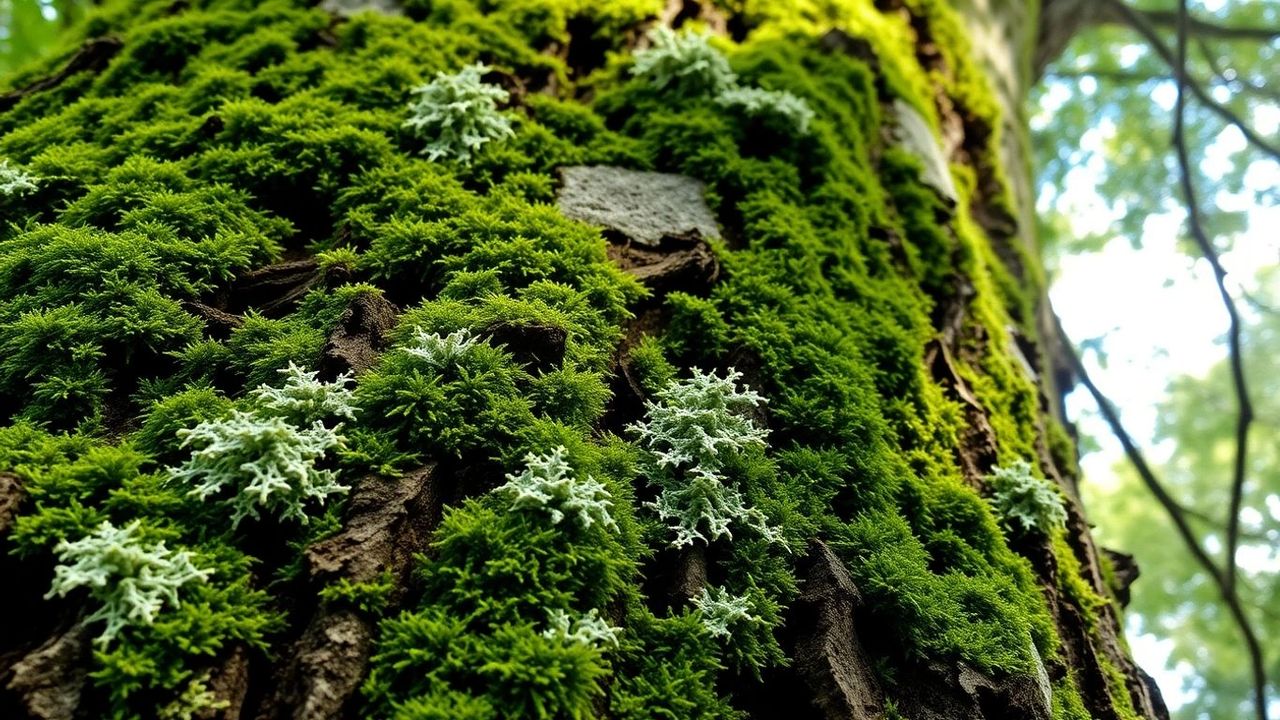
- Lichens: These are fascinating composite organisms. They’re a partnership between a fungus and an alga or cyanobacterium. The fungus provides the structure and protection, while the alga or cyanobacterium does the photosynthesis, creating food for both. You’ll see lichens in all sorts of shapes and colors – from leafy and flat to crusty and bumpy. They don’t have roots like typical plants and get their nutrients directly from the air and rain.
- Mosses: These are small, non-vascular plants. Unlike lichens, mosses are true plants with simple stems and leaves. They reproduce using spores and prefer damp, shady conditions. You’ll often find them forming soft, green carpets on tree trunks and branches, especially in humid areas.
Common Causes of Lichen and Moss Growth on Trees in Fredericton
Ever notice how some trees in Fredericton seem to be wearing a fuzzy green or grey coat? That’s usually lichen or moss, and while it looks natural, it often points to specific conditions. Understanding these causes is the first step to managing them.
Environmental Factors: Humidity, Shade, and Air Quality
Several environmental factors create the perfect conditions for lichens and mosses to thrive on tree bark. It’s not about the tree being unhealthy, but rather the environment it’s in.
- High Humidity and Moisture: Lichens and mosses are essentially plants that absorb moisture directly from the air. Fredericton’s climate, with its humid summers and damp springs, provides ample water. Areas with poor air circulation around trees, like those in dense foliage or close to buildings, tend to stay wetter for longer, encouraging growth.
- Shade and Low Light: Many species of lichen and moss prefer shaded conditions. Trees that are heavily canopied, or those growing on the north or east sides of buildings or other trees, receive less direct sunlight. This reduced light intensity, combined with increased moisture, is ideal for these organisms.
- Air Quality: While often seen as indicators of clean air, certain types of lichens can actually tolerate or even thrive in areas with moderate air pollution. However, very high levels of pollutants, like sulfur dioxide and nitrogen oxides, can be detrimental to some sensitive lichen species. Conversely, areas with improved air quality might see a resurgence of lichen growth. It’s a bit of a balancing act.
Are Tree Lichens and Mosses Harmful to Trees in Fredericton?
It’s a common sight in Fredericton: trees draped in green, looking a bit like they’re wearing fuzzy sweaters. You see lichens and mosses clinging to branches and trunks, and it’s natural to wonder if they’re causing any real harm. The short answer? Usually, not much. Lichens and mosses are generally not parasites that directly damage your trees. They’re more like opportunistic roommates, taking advantage of existing conditions.
Effective Solutions for Managing Tree Lichens and Mosses
Dealing with moss and lichen on your trees in Fredericton doesn’t always mean you need to go in with harsh chemicals. Often, the best approach is to focus on improving the overall health of the tree and its environment. Healthy trees are naturally more resistant to excessive growth.
When it comes to managing moss on tree branches, a few simple strategies can make a big difference. First, consider pruning. Removing overcrowded or dead branches allows for better air circulation and sunlight penetration, which can discourage moss and lichen from taking hold. Think of it as giving your tree a good haircut so it can breathe better.
When to Call a Fredericton Arborist
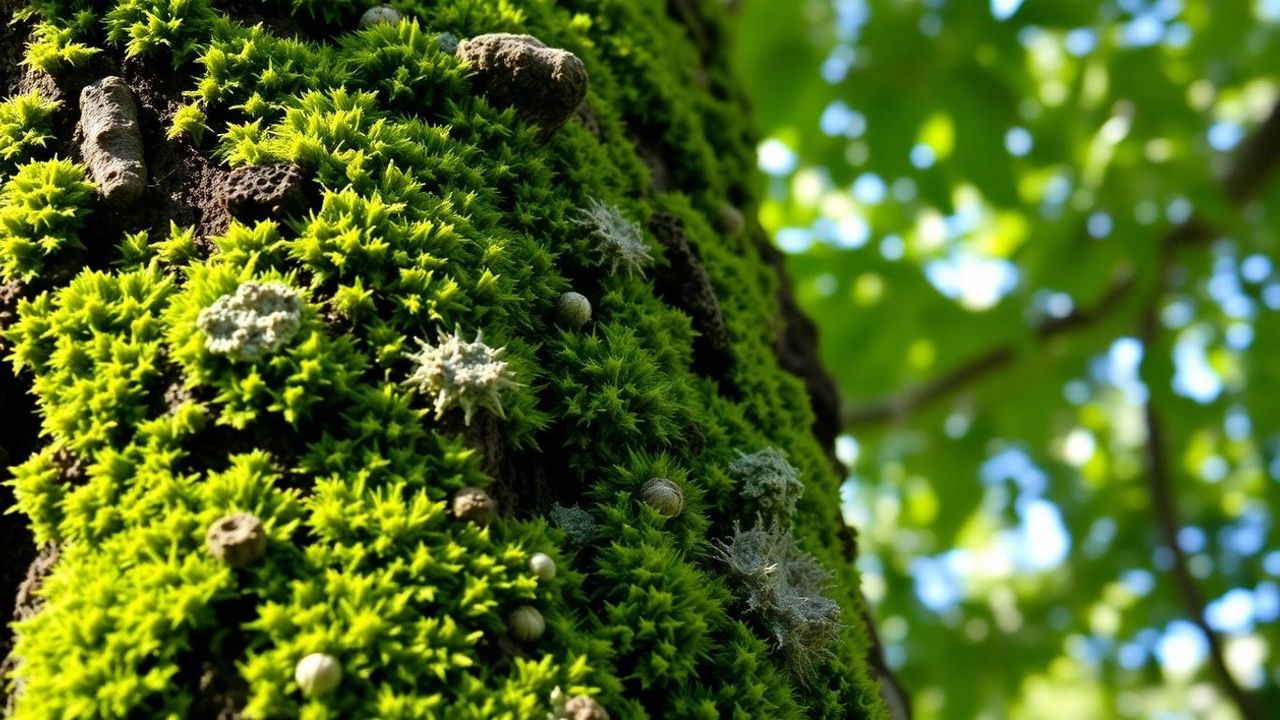
While lichens and mosses are usually harmless hitchhikers on your trees, there are times when you might want to bring in a professional. If the growth is covering a significant portion of the branches or trunk, or if the tree itself looks stressed, it’s a good idea to get a second opinion. Sometimes, excessive growth can be a sign of underlying issues with the tree’s health or its environment that you might not notice yourself.
Conclusion: Keep Your Fredericton Trees Healthy and Strong
So, we’ve talked about what lichens and mosses are, why they show up on trees in Fredericton, and whether they’re actually a problem. The main takeaway? Most of the time, these growths are just a sign of a healthy, humid environment and aren’t hurting your trees at all. Think of them as tiny, living decorations that indicate your tree is doing its thing in a typical Fredericton setting.
Frequently Asked Questions
What exactly are lichens and mosses on trees?
Lichens are a cool partnership between fungi and algae, kind of like a living sticker that grows on tree bark. Mosses are tiny, green plants that love damp spots and can also grow on trees. They aren’t actually hurting the tree, but they can be a sign of certain conditions.
Why do lichens and mosses grow so much on trees in Fredericton?
Fredericton often has a lot of moisture in the air, and many trees are in shady spots. These conditions are perfect for lichens and mosses to thrive. Good air quality can also play a role, as they don’t like polluted air.
Are lichens and mosses bad for my trees?
Generally, no. They are not parasites that feed on the tree. Think of them more like decorations that show the tree is in a healthy, humid environment. However, if they cover a tree too much, it might mean there’s too much shade or moisture, which could indirectly affect the tree’s health.
How can I get rid of too much lichen or moss on my trees?
You can try gently brushing them off with a soft brush. Sometimes, improving the air flow around the tree by trimming nearby branches to let in more sunlight can help. For serious issues, it’s best to consult an expert.
When should I worry about lichens and mosses on my trees?
You should get concerned if the growth is extremely thick and seems to be covering most of the tree, or if the tree itself looks unhealthy (like having yellow leaves or dying branches). This could mean there are other problems affecting the tree that the lichen growth is just pointing out.